
Capacity building in evidence use
Strengthening teams to design, commission, interpret and use evidence in real world decision-making.
We bring lessons from evaluating training and capacity building efforts into our own approach. We work on the principle that accompanying change – rather than imposing change – delivers sustainable results. We have worked with clients of all shapes and sizes to support their training and capacity building needs in line with their organisational culture.
See examples of our work below, and use the filters to explore specific content.

End-point evaluation of the UK Public Health Rapid Support Team (UK-PHRST) – final report
Findings, conclusions and recommendations from our evaluation of the UK Public Health Rapid Support Team
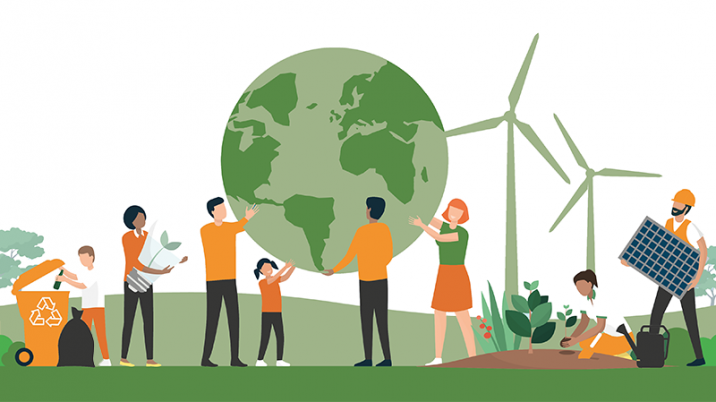
Carbon offsetting – how Earthly is helping Itad go carbon neutral
Are carbon offsetting projects greenwashing? We explore the issues of sustainability and effectiveness within these projects,...

Video: Adaptive programming and COVID-19
The last year has demanded flexible, agile programming to respond to the ever-changing challenges created by COVID-19. In the...

Video: Adaptive programming in 4 minutes
Adaptive programming uses real-time learnings to inform programme implementation as you go; in the first of two short videos...

Framing brief – Impact evaluation of the EU-IOM Joint Initiative for Migrant Protection and Reintergration in the Horn of Africa region
This framing brief outlines the rationale and challenges of conducting a study of this kind, as well as the proposed...
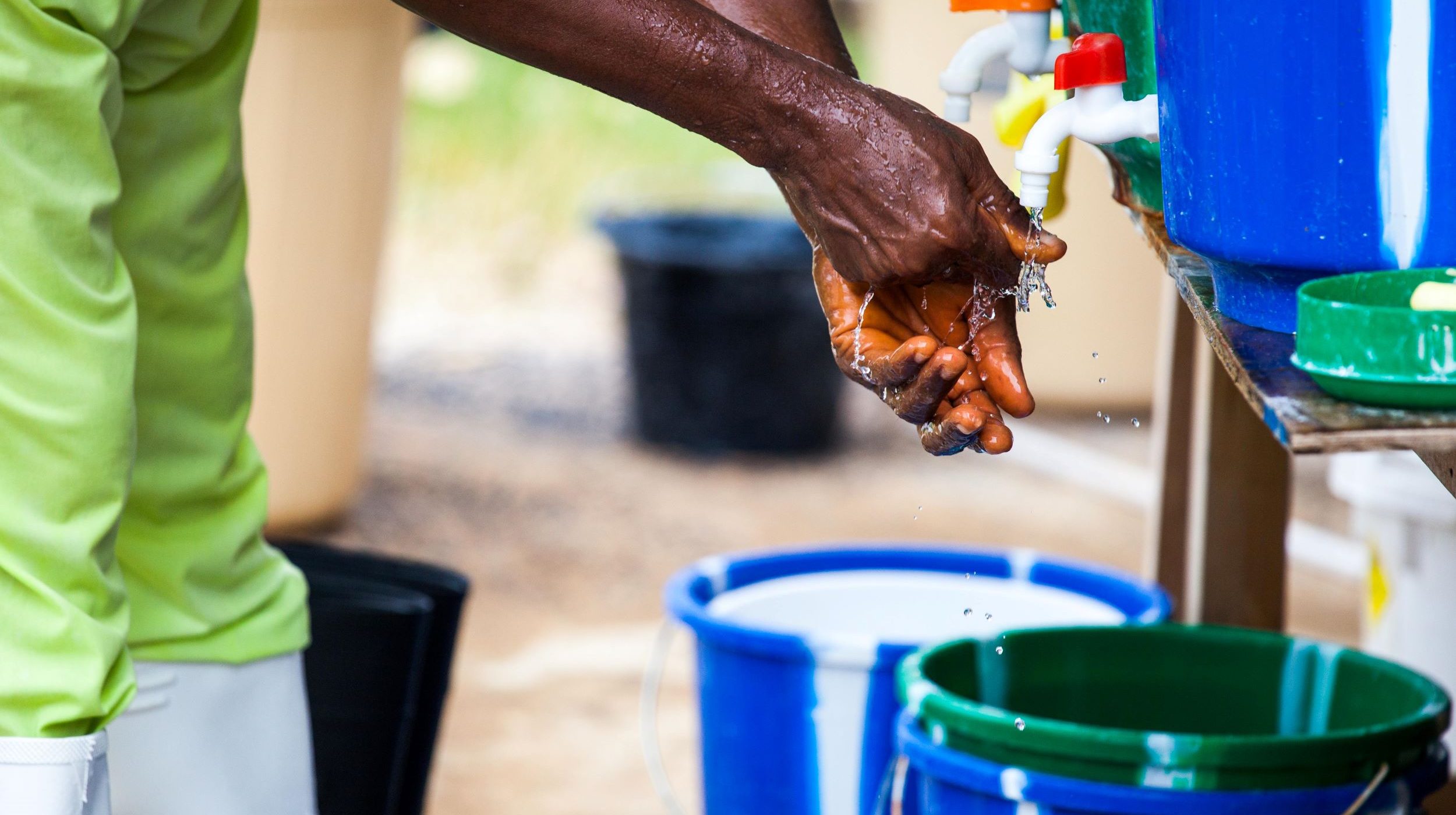
Three ways digital data is helping UNICEF make decisions for WASH programming
Understanding the impact of COVID-19 on urban water and sewerage utilities is critical to managing potential emergent and...

Addressing social norms in development programmes – Learnings from the WISH programme
Addressing social norms in behaviour change programmes is increasingly a priority for many donors. We highlight three key...

Evolving anti-corruption programming amid COVID-19
Drawing from the efforts of implementing partners in adapting their strategies in the face of the COVID-19 pandemic, this...

Independent evaluation of the development impact of the Private Infrastructure Development Group
The Private Infrastructure Development Group (PIDG) is an infrastructure development and finance organisation that encourages...

The value of stability trackers in fragile settings: Lessons from working with the Conflict, Stability and Security Fund
Uncertainty is a common characteristic when operating in fragile settings, and economic and health shocks brought on by the...

Integrated delivery: We know it is needed, so how do we get it?
Tom Gillhespy and Georgina Sinclair reflect on integrated delivery, why it is important, what is holding it back and what good...

User guide for remote and blended working
After a year adapting to the new normal, AVANTI has published a manual on remote and blended working.
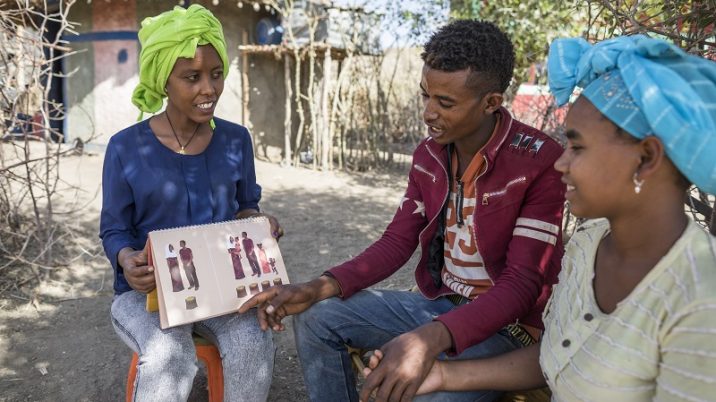
Remote data collection: Lessons from Adolescents 360
When COVID-19 hit last year and made travel difficult or impossible around the world, Itad and our partners had to rapidly...

Thinking outside the box: Why young and emerging evaluators need opportunities to grow
We are delighted to announce the winners of the competition we hosted as part of our gLocal Evaluation Week workshops....

Independent Strategic Evaluation of the UNRWA Medium Term Strategy 2016 – 2022
The United Nations Relief and Works Agency for Palestine Refugees in the Near East (UNRWA), is facing a range of challenges...

Who really wins? Using prizes to stimulate social and environmental innovation
The climate emergency is perhaps the biggest challenge of our time. Meeting it requires fast-paced innovation and social...
