
Sustainable development and Global Goals
Itad helps partners accelerate progress towards Global Goals by generating evidence and improving monitoring and learning across the programmes and systems that drive inclusive and sustainable development.
The Sustainable Development Goals set an ambitious vision for a more equitable, prosperous and resilient world. Yet almost 700 million people (8.5 percent of the global population) still live in extreme poverty – on less than $2.15 per day, facing interconnected challenges spanning food security, health, education, climate change, gender inequality and economic opportunity. Agriculture remains a critical pathway for many low- and middle-income countries, supporting livelihoods, nutrition and growth, but progress toward the SDGs requires systemic action across all sectors and levels of society.
Sustainable development depends on understanding how these systems interact—from agricultural productivity and market dynamics, to climate resilience, governance, social protection, and inclusive economic transformation. Achieving the Global Goals demands evidence-driven policies and programmes that work for diverse populations, especially those most at risk of being left behind.
Itad works with governments, donors and development partners to strengthen the evidence base for achieving the SDGs. We generate learning on what drives inclusive and sustainable development, support partners to track and report progress across targets, and improve strategies through robust monitoring, evaluation and learning. Our services help organisations understand what works, for whom and why—informing decisions, enhancing accountability and enabling real progress toward a more sustainable and equitable future.
Project
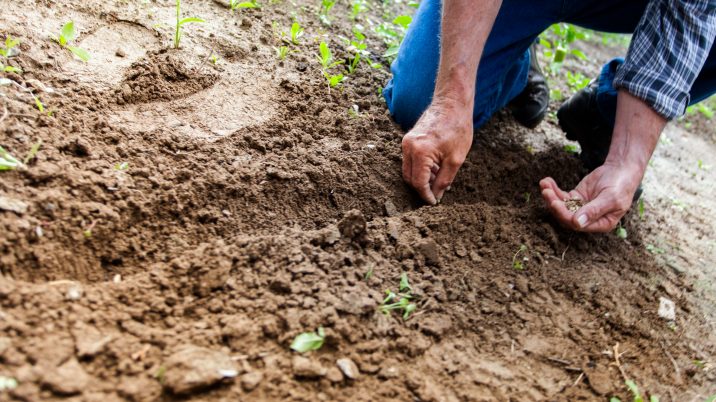
AVANTI – advancing knowledge for agricultural impact
National governments in the fields of agriculture and rural development across many low- and middle-income countries face...
Project
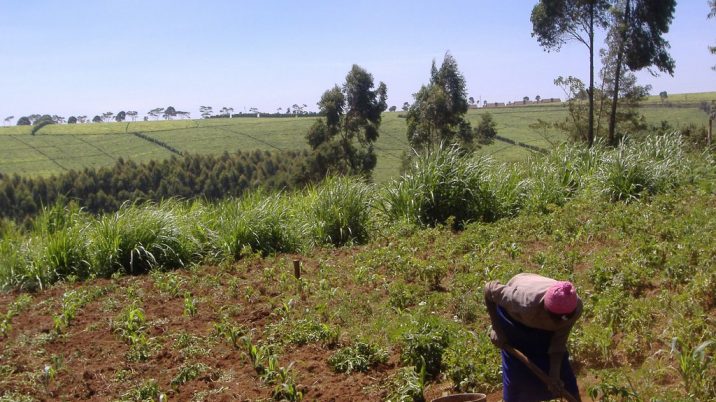
Mid-Term evaluation of the Alliance for Green Revolution in Africa’s 2017-2021 strategy
The African continent faces myriad challenges in achieving food and nutrition security for its growing population. These...
Project
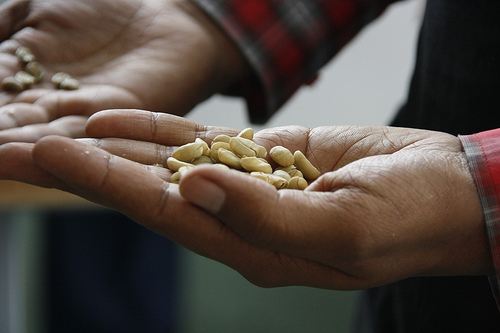
Evaluation of DFID’s FoodTrade East and Southern Africa Programme
Multiple market failures affect trade in staple foods in East and Southern Africa. We provided evidence of what interventions...
Project
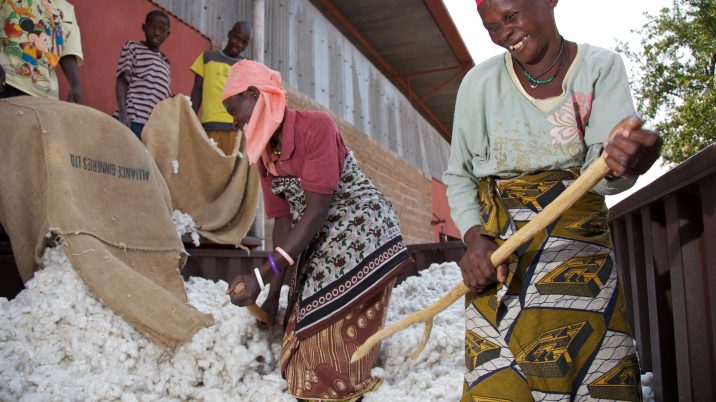
Gatsby Africa: Strategic Monitoring, Evaluation and Learning Partnership
Our learning partnership with Gatsby Africa aims to strengthen their ability to learn, adapt and make better programming...
Project
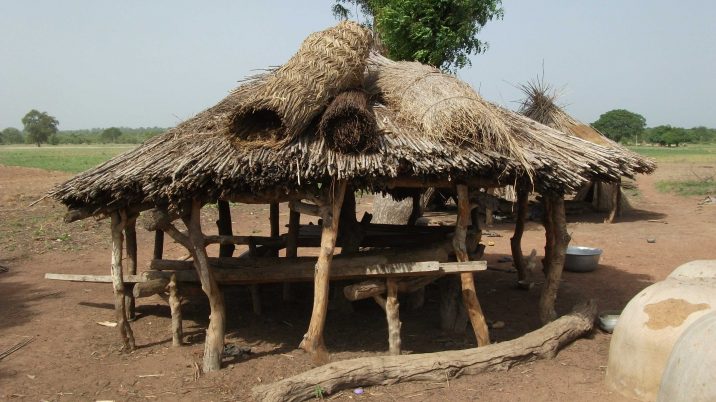
Impact evaluation of the Millennium Villages project in Northern Ghana
Billions of people live in extreme poverty. The Millennium Villages project is a bold attempt to lift rural African...
Project
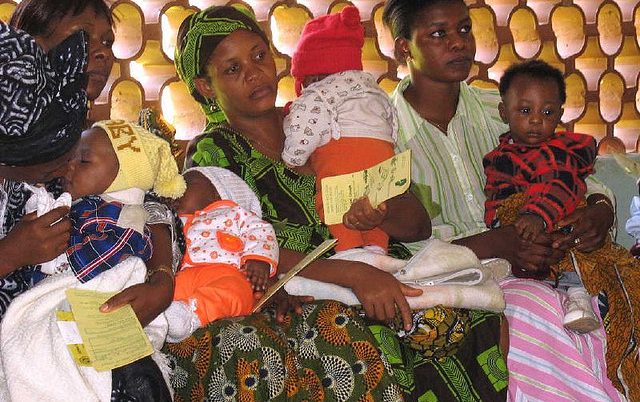
Independent Evaluation of the Child Development Grant in Northern Nigeria
Malnutrition is endemic in Northern Nigeria and has complex inter-related causes associated with food security, caring...
Project
Impact Evaluation of a Programme to Accelerate Improved Nutrition for the Extreme Poor in Bangladesh
Rates of malnutrition in Bangladesh are among the highest in the world. The ‘DFID Programme to Accelerate Improved Nutrition...
Project
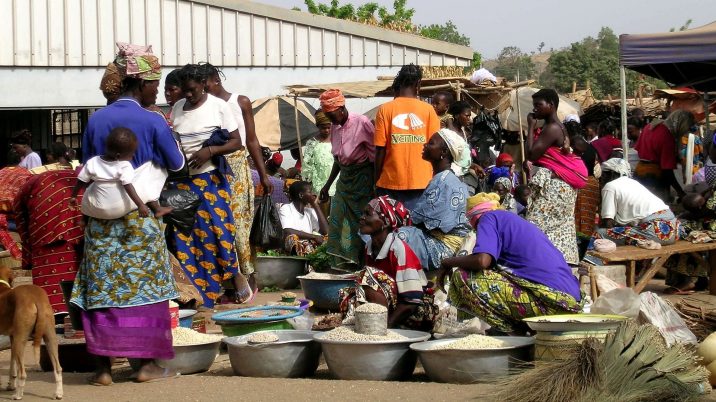
Evaluation of the Adaptive Social Protection in the Sahel Programme
Poor and vulnerable people face increased shocks and stresses to their livelihoods. These can be global, such as financial...
Publications

Report
Trends in national capacities to generate and utilise data
The case of Comprehensive African Agriculture Development Programme. Emerging trends in national capacities to measure...

Report
Evaluation of the World Food Programme Gender Policy (2015-2020)
The WFP (World Food Programme) Gender Policy (2015-2020) was approved in May 2015. The evaluation provides evidence, analysis...

Report
Samarth-NMDP Programme Final Evaluation Report
This is the final evaluation report of the UK Department for International Development (DFID)- funded evaluation of the...
Report
Final Evaluation Report: FoodTrade East and Southern Africa
The FTESA report is now live on our website. Check out the five-year regional programme, that supported food staples market...
Blogs and news

Blog
Supporting climate justice through collaborative learning
Our work with Porticus is highlighting the value of collaborative learning to shape climate justice initiatives more...

News
User guide for remote and blended working
After a year adapting to the new normal, AVANTI has published a manual on remote and blended working.
News
AVANTI in 2020: Adapting to the new normal
In 2020, AVANTI had to adapt to the new normal like many other projects that previously relied on international travel. The...

Blog
How has COVID-19 affected data quality in the agriculture sector? Highlights on a recent e-Panel
An e-Panel, co-hosted by AVANTI and EvalForward, set out to explore this question. Our panellists, Armand Zoa, Joas Tugizimana...
